


Latest News

Inaugural Dinner and Dialogue on Isis, culture and conflict
Two Middle East specialists will moderate a discussion on ISIS, culture and conflict at a Dinner and Dialogue event organised by Gates Cambridge Scholars. Raphael Lefevre [2012] and Jose Ciro […]

Fighting the stigma of mental disorders
Neha Kinariwalla was working with an epilepsy research group in Oxford when she came up with what seemed like a simple idea for destigmatising the illness which affects 50 million […]

Scholars to take part in Day of Service
Gates Cambridge Scholars will take part in their first large-scale Day of Service on 8 November as they join forces with various local or online service initatives. About 80 Scholars […]

Alumnus named top innovator
A Gates Cambridge Alumnus has been named one of the top 100 leaders of innovation in Central and Eastern Europe. Jakub Szamalek is on the list of New Europe 100 […]

Mobile health ‘can support cancer care’
Mobile technologies can support and improve cancer care and other non-communicable diseases in developing countries, according to a new study. Gates Cambridge Scholar Isaac Holeman is lead author on the […]
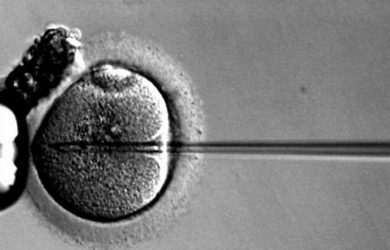
Scholars debunk idea that social egg freezing is empowering
Egg freezing for non-medical reasons is not empowering, according to four feminist scholars studying assistive reproductive technologies. In an article entitled “Breaking the Ice: Young Feminist Scholars of Reproductive Politics […]
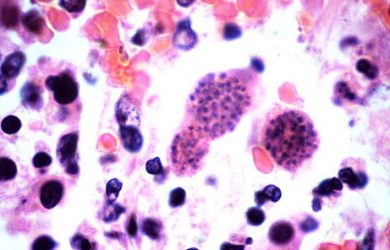
First internal symposium takes place this week
New research on toxoplasmosis, speech recovery after strokes, Macedonian views on The Merchant of Venice and second language learning will be showcased by Gates Cambridge Scholars at the first internal […]
An environmental education
A Gates Cambridge Scholar will be leading a social media project which could become a key part of the environmental education syllabus of schoolchildren living in a protected area of […]
Shaping the Single European Market in the field of foreign direct investment
A year after Philip Strik started his PhD in European Law in 2008 the Treaty of Lisbon came into force. As a result the European Union has acquired exclusive competence […]
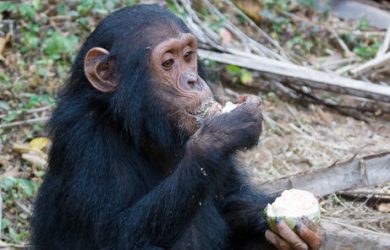
Chimps select the right tool for the job at hand
New research shows that chimpanzees search for the right tools from a key plant species when preparing to ‘ant dip’ – a crafty technique enabling them to feast on army […]
