





Why smart agriculture needs people

What is smart agriculture? And how can the latest developments in technology be embraced by the farming community, particularly farmers in the areas that are worst hit by climate change?
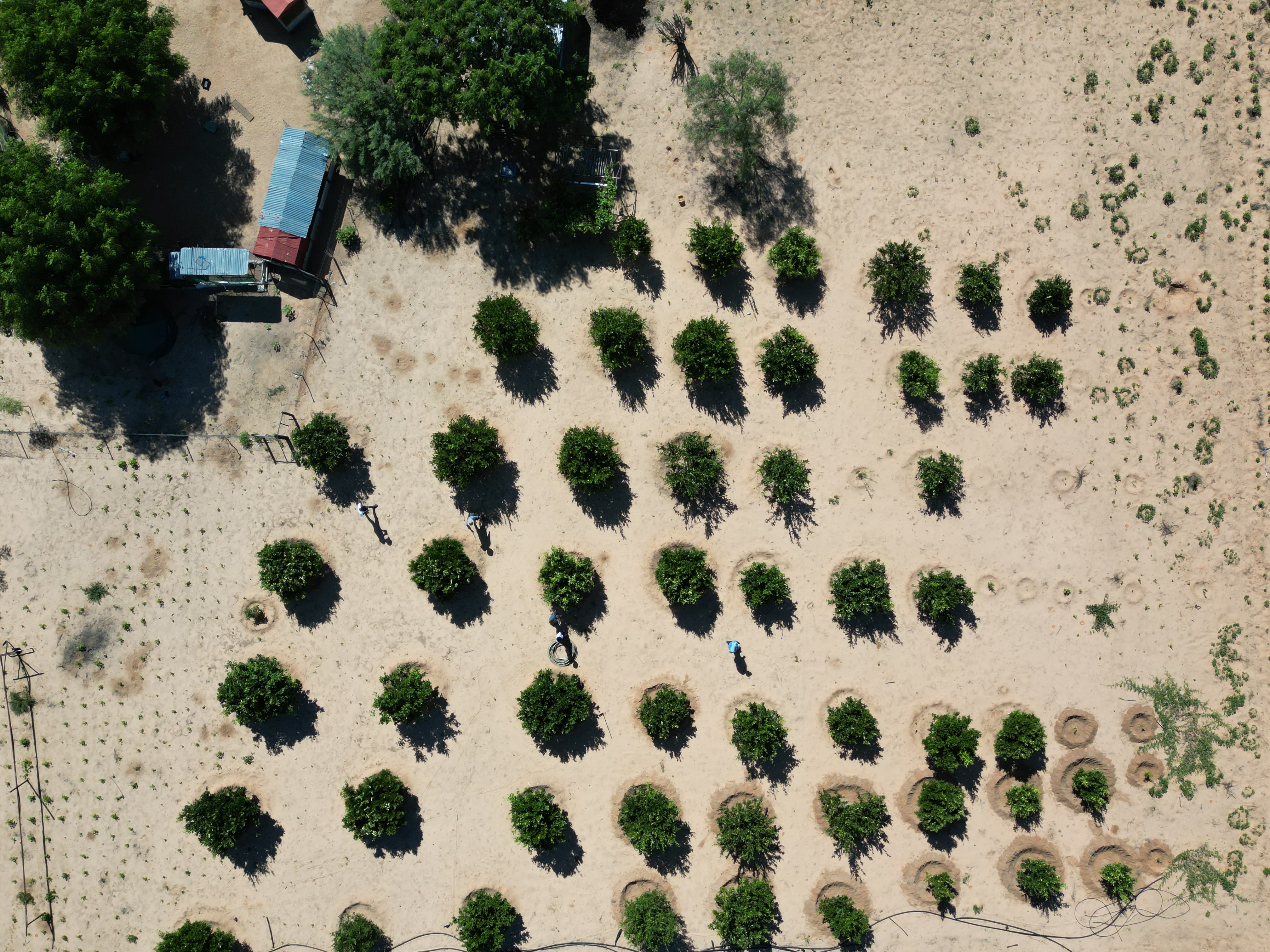
New precision agriculture tools, including drones, can reveal patterns in crop health, nutrient deficiencies and variability across fields, while thermal imaging can provide insights into plant transpiration and stress levels. Their effective deployment on the ground is vital for future food security.
But technology alone is not enough. It needs to be adapted to local needs and farmers which means they need to be on board from an early stage, co-developing new methods as part of citizen science initiatives.
Anoop Tripathi grew up with an awareness of everyday farming challenges in India, having learnt from his grandfather about hands-on practices in agriculture and having developed a deep respect for farmers in the process. “My grandfather taught me that if you see any problem you need to go to the root of it to solve it more efficiently than if you start from the top and don’t see the whole picture,” says Anoop.
As an undergraduate studying Botany he would spend his summers talking to local farmers about what he had learnt. “Most of the farmers were illiterate so were unable to follow written instructions,” he says. “No-one was trying to inform them in ways they could understand. Everything I was learning I used to educate them.”
Now Anoop is a PhD student and Gates Cambridge Scholar at the University of Cambridge, where he researches cross-hybridisation of plants with the aim of developing climate-resilient crops that could ensure food security for millions of people, especially in the regions that are most affected by climate change.
He is one of a very few people in the world who have experience of using a newly developed technique of cereal grafting and hybridisation which overturns the long-standing consensus that monocot plants such as grass and grass-like flowering plants cannot graft.
Hybridisation is not only scientifically challenging but also requires an interdisciplinary approach that blends plant biology, genetics and agricultural science.
Anoop is keen to ensure that such grafting will benefit farmers in places like India and says that requires understanding the challenges they face with post-harvest processes.

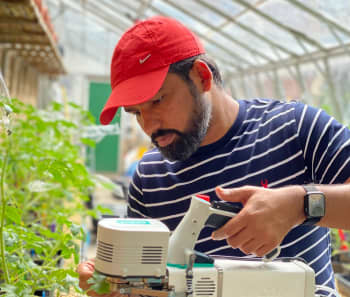
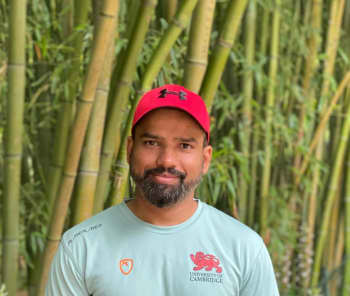



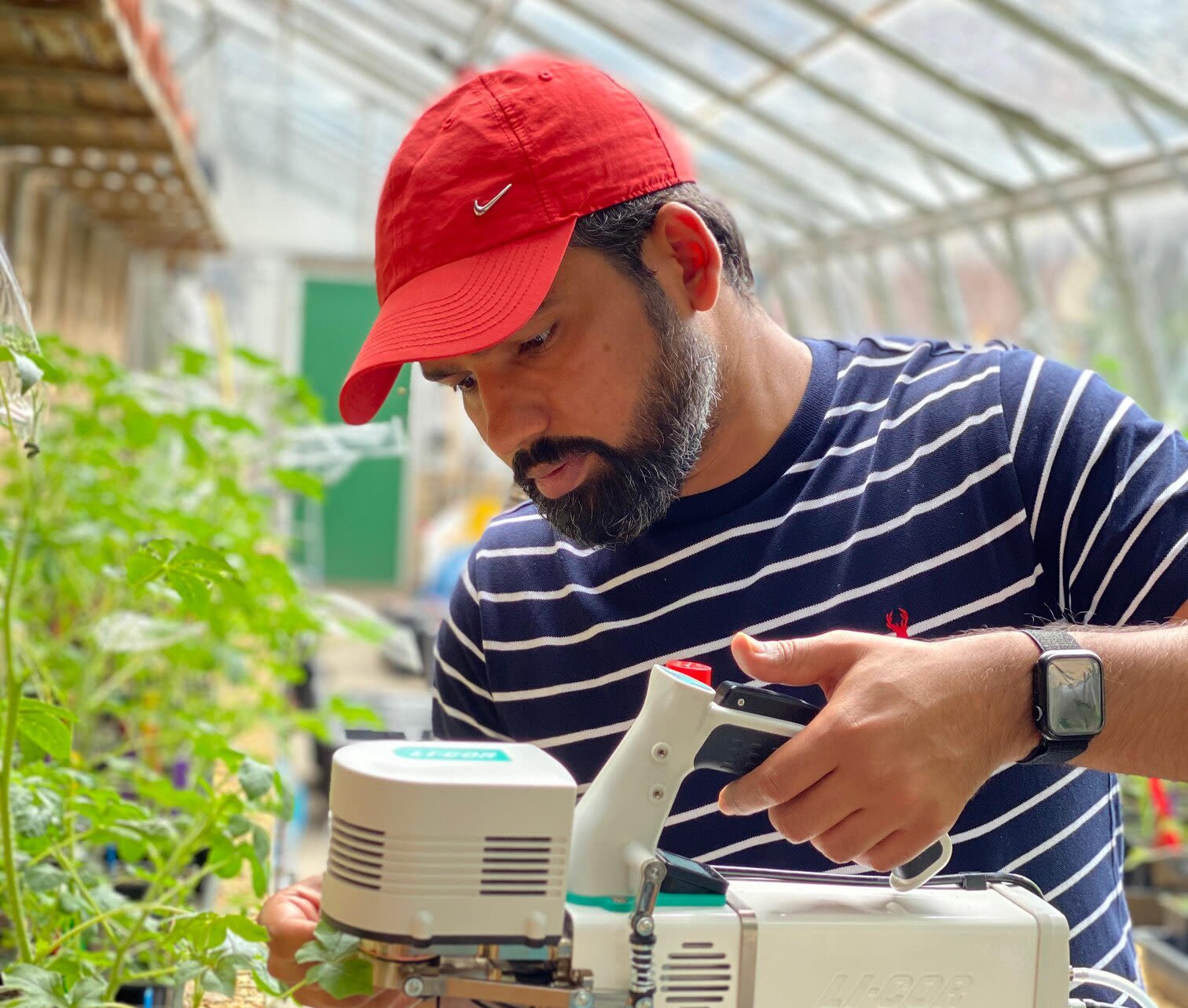

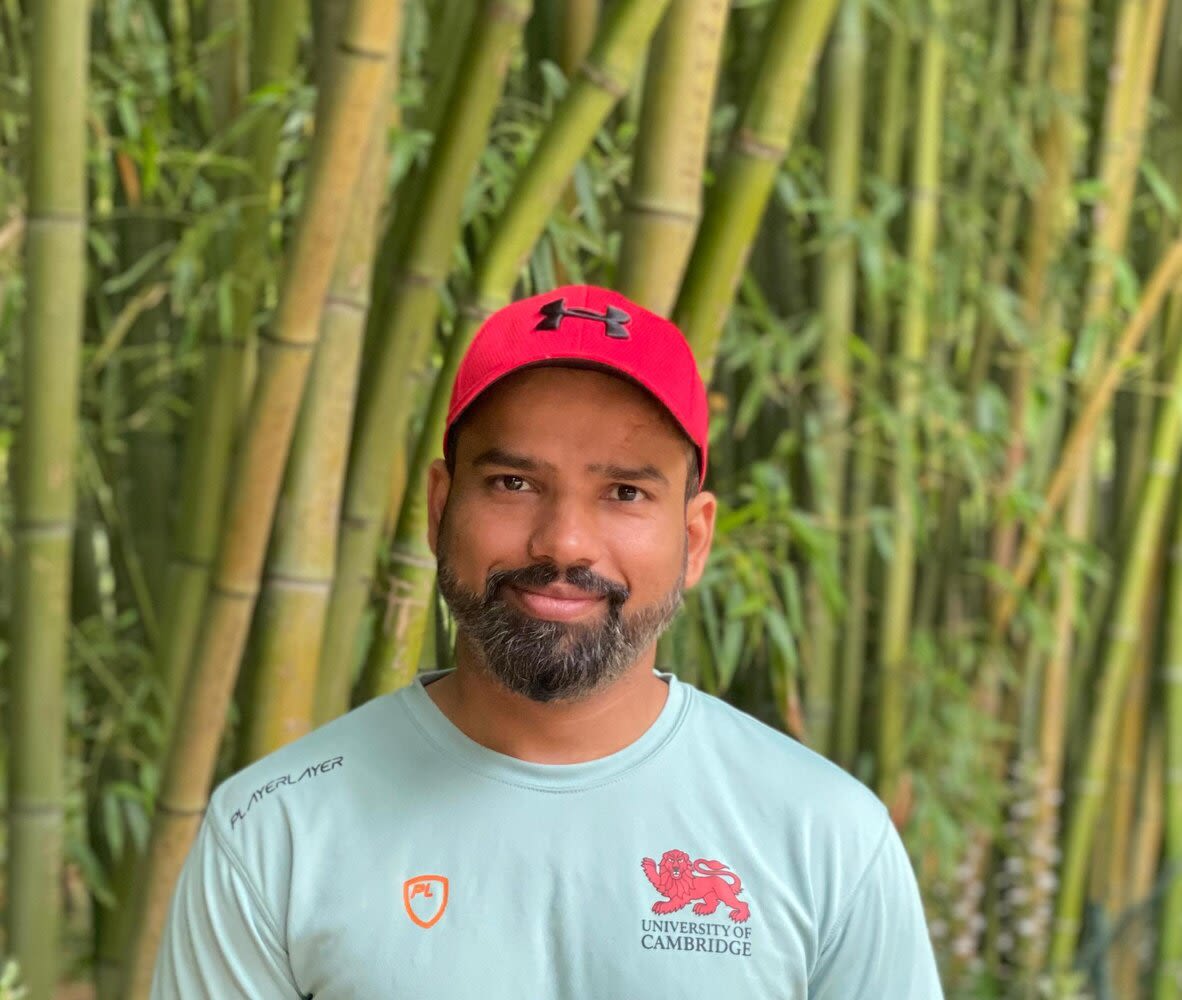
Anoop [2022], who won a Gates Cambridge Impact Award for his work, recently conducted a field visit to one such area - Gobabis in Omaheke Region in eastern Namibia. The least populous of Namibia’s 14 regions, it lies on the border with Botswana and is the western extension of the Kalahari Desert, home to a huge array of wildlife.

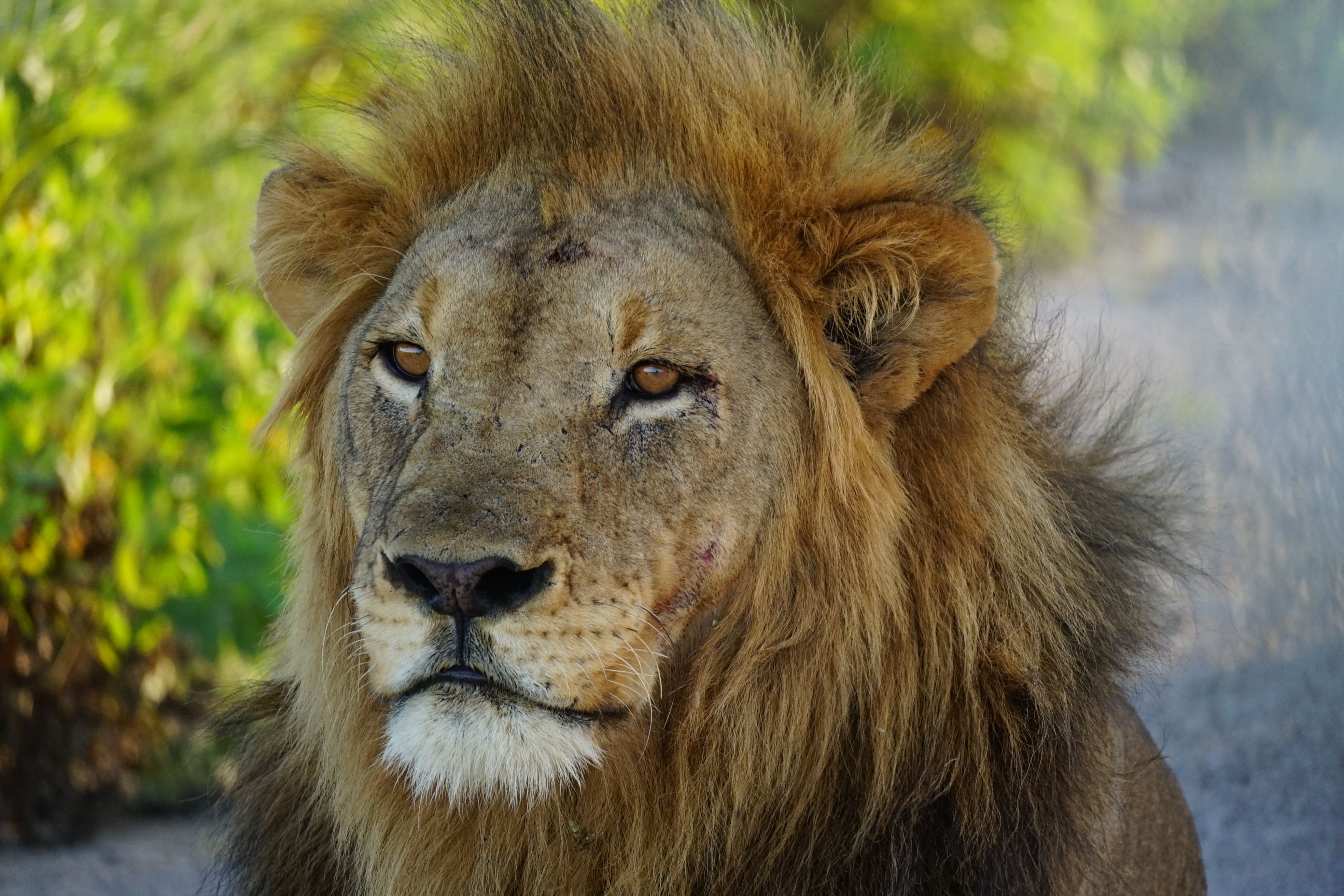
Lion
Lion
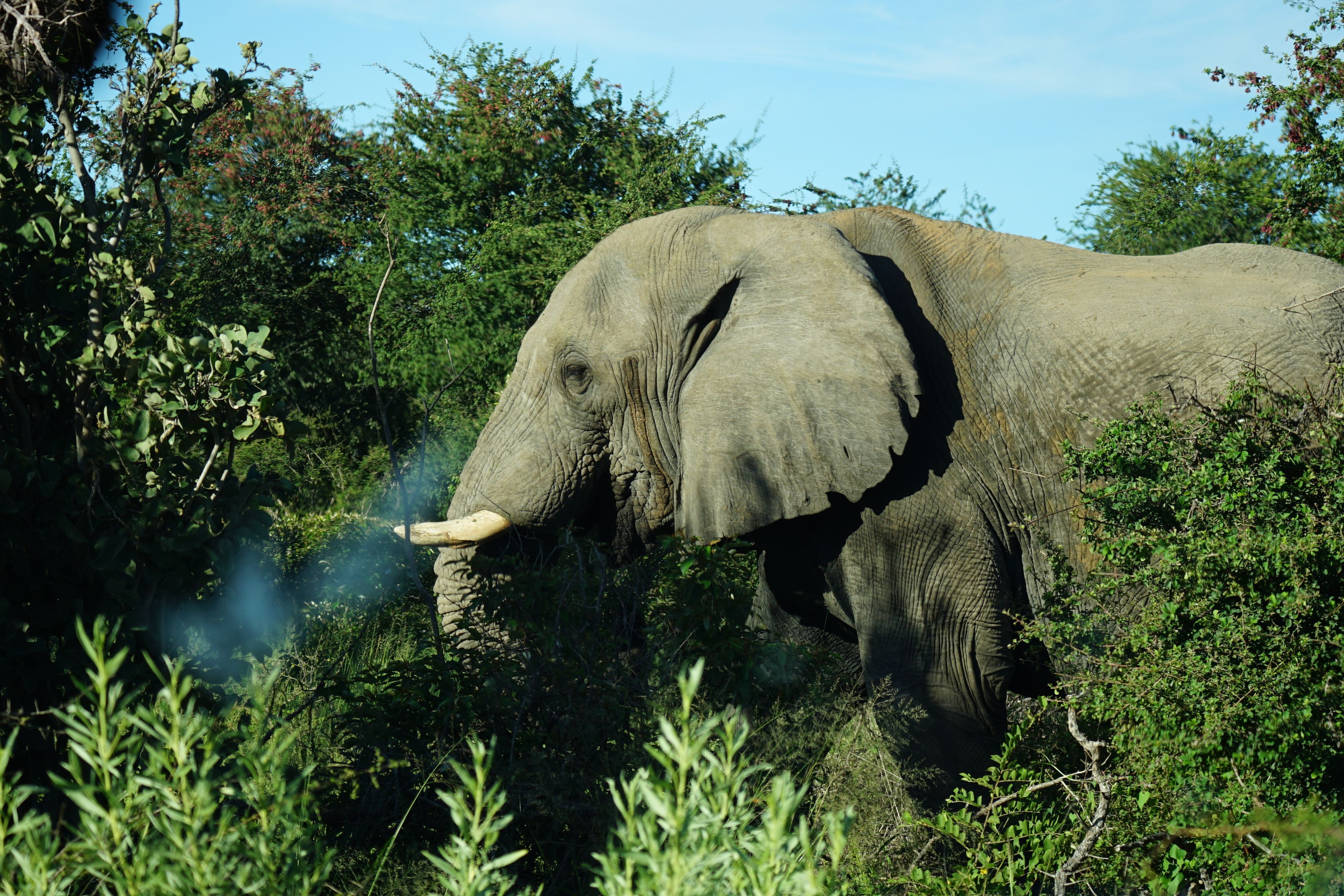
Elephant in Namibia
Elephant in Namibia
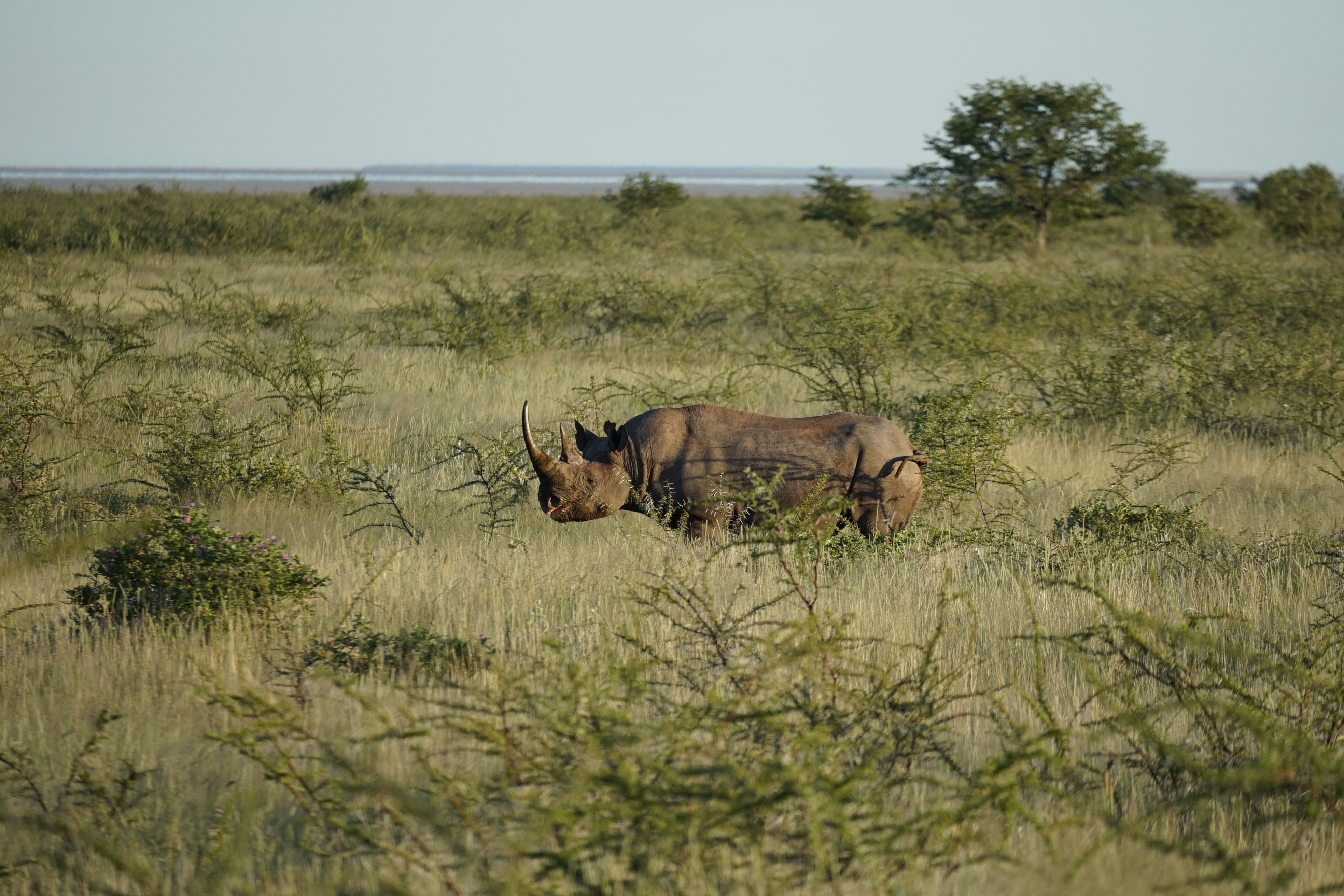
Black rhino
Black rhino
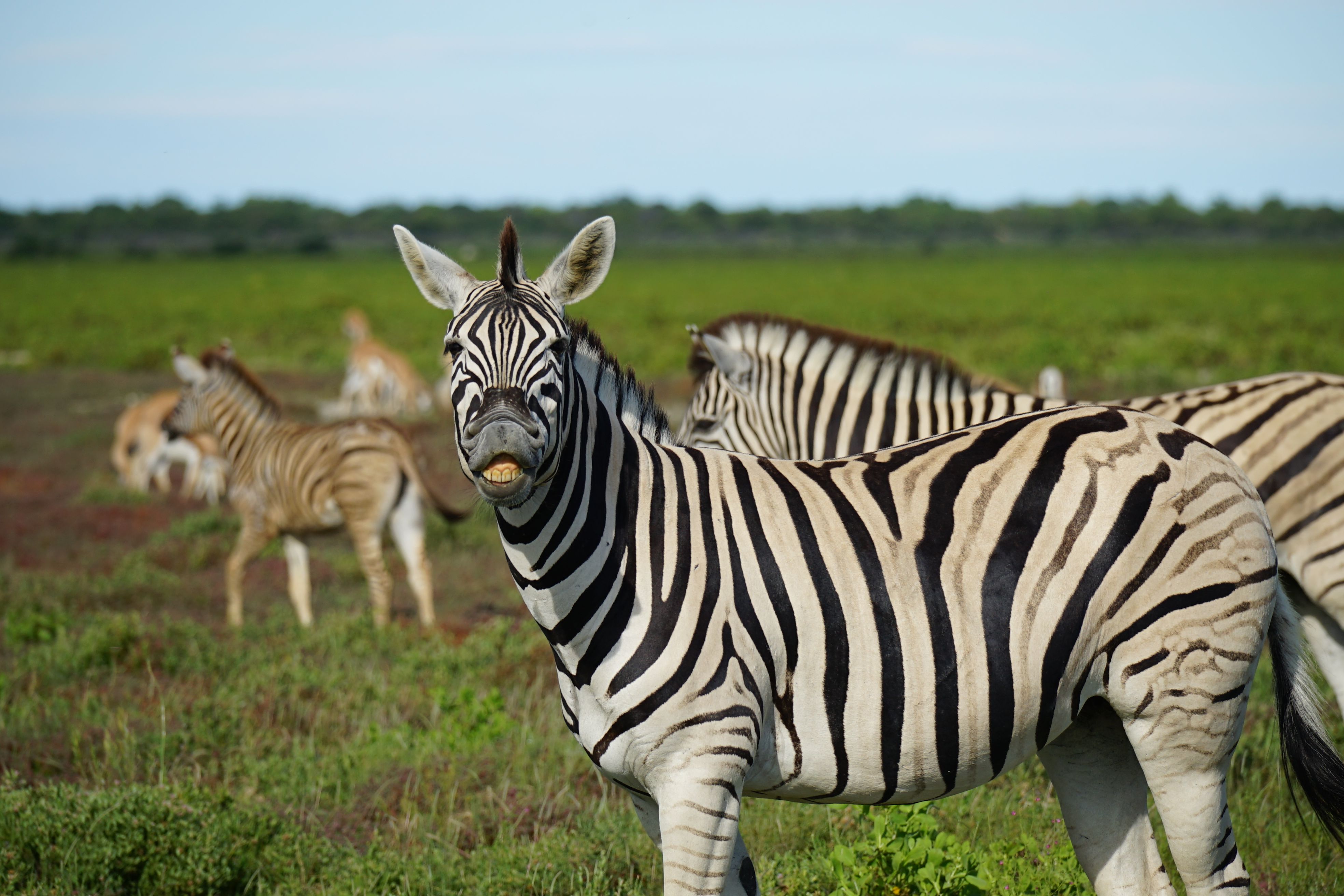
Zebra in Namibia
Zebra in Namibia
The visit marked an important step in translating laboratory-based agricultural research into real-world application. In collaboration with Dr Pallavi Singh from the University of Essex and her research assistant Mouesanao K. Kandjoze, the visit focused on building meaningful engagement with local farming communities while exploring the potential for introducing practical, technology-driven solutions in challenging environments.
The three academics worked closely with a group of 30 farmers, agricultural extension officers and agricultural technicians in an interactive three-day workshop, designed not just to demonstrate technology, but to initiate dialogues.
They introduced portable soil sensors capable of measuring pH [acidity], NPK [nitrogen, phosphorous and potassium] levels and soil moisture, while also listening carefully to farmers’ experiences and individual challenges.
Anoop says: “Our discussions around affordability, usability and reliability highlighted the importance of adapting innovation to local realities rather than assuming one-size-fits-all solutions.”

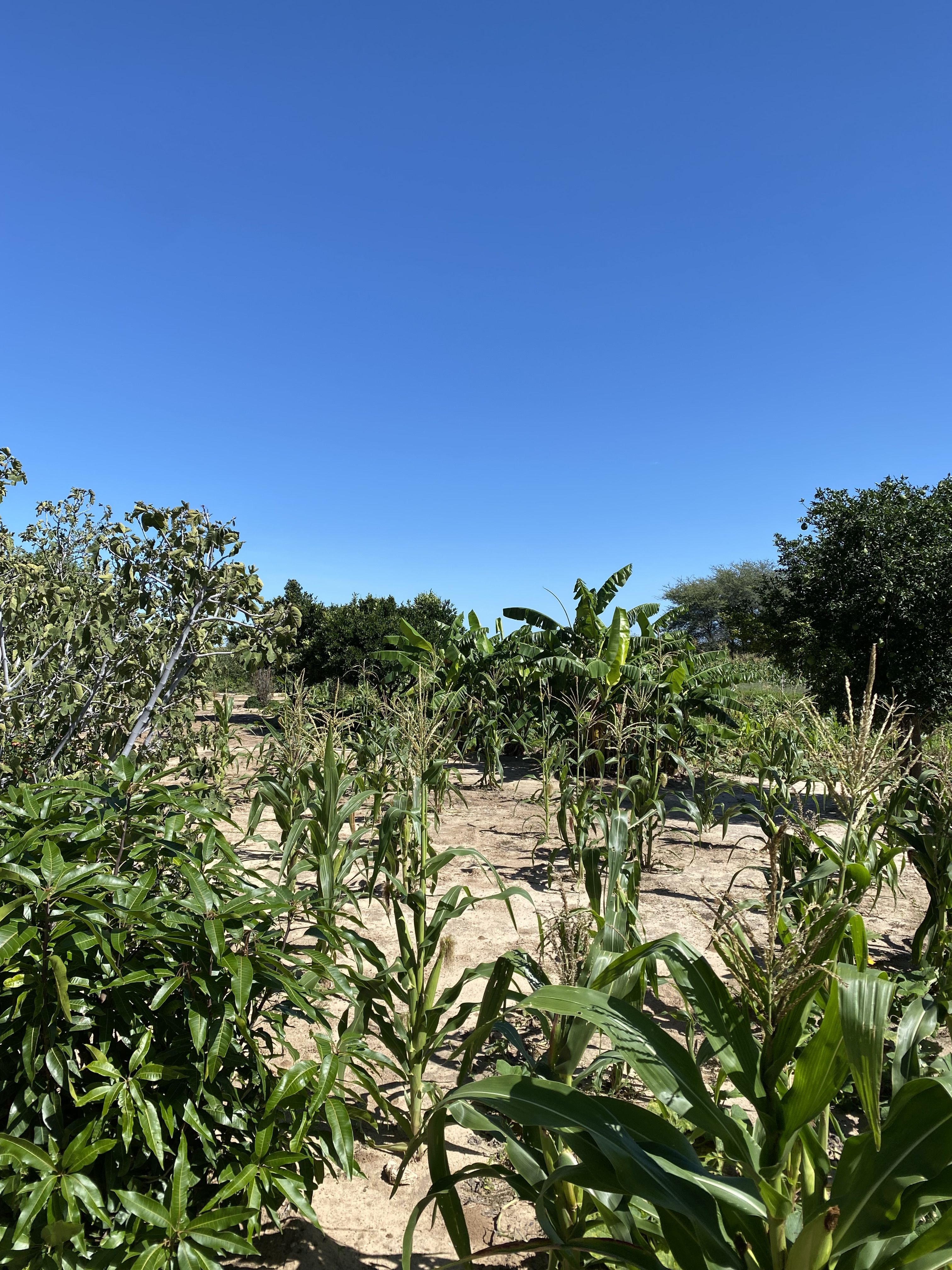
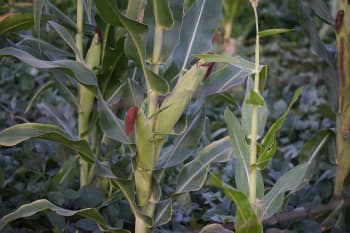
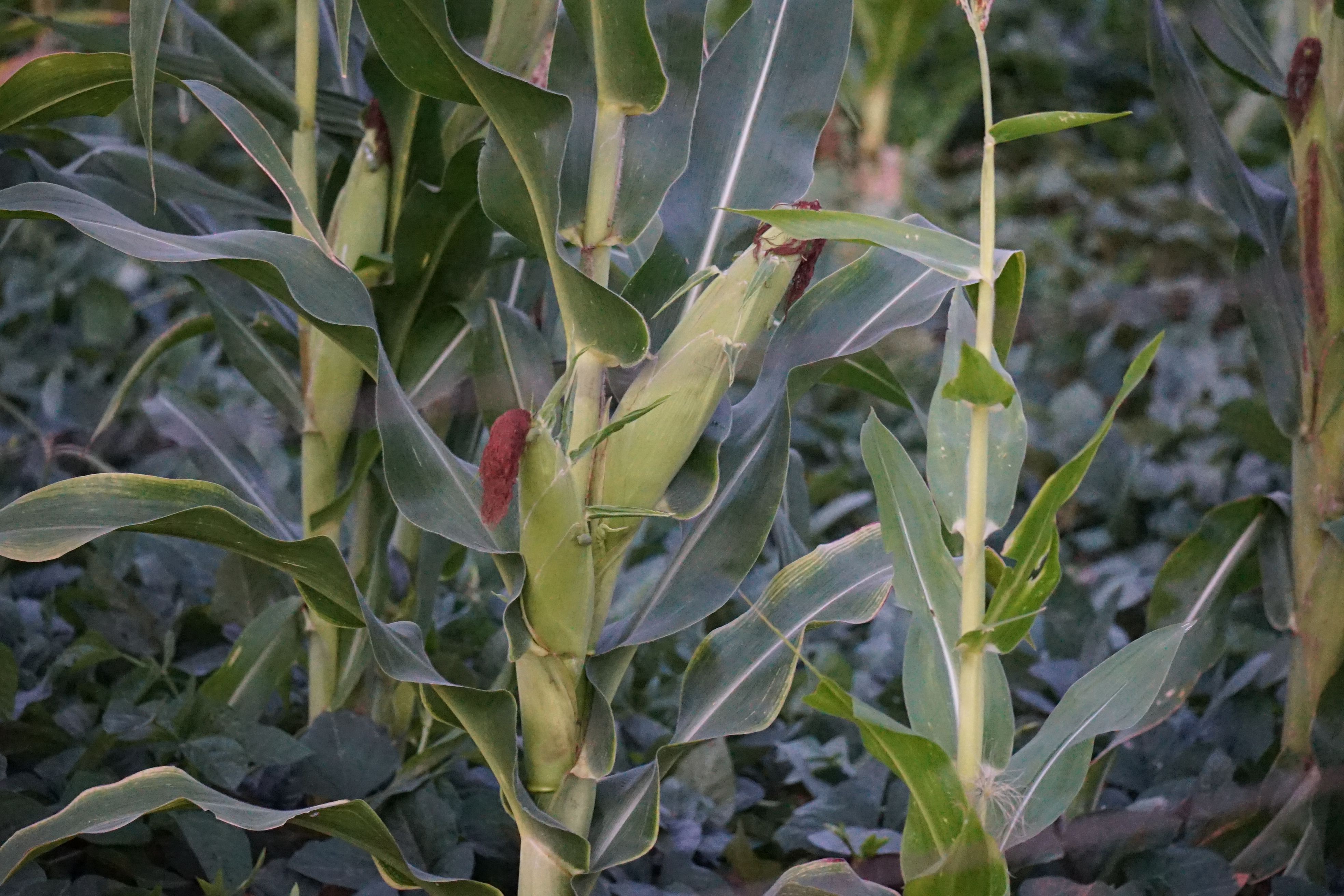
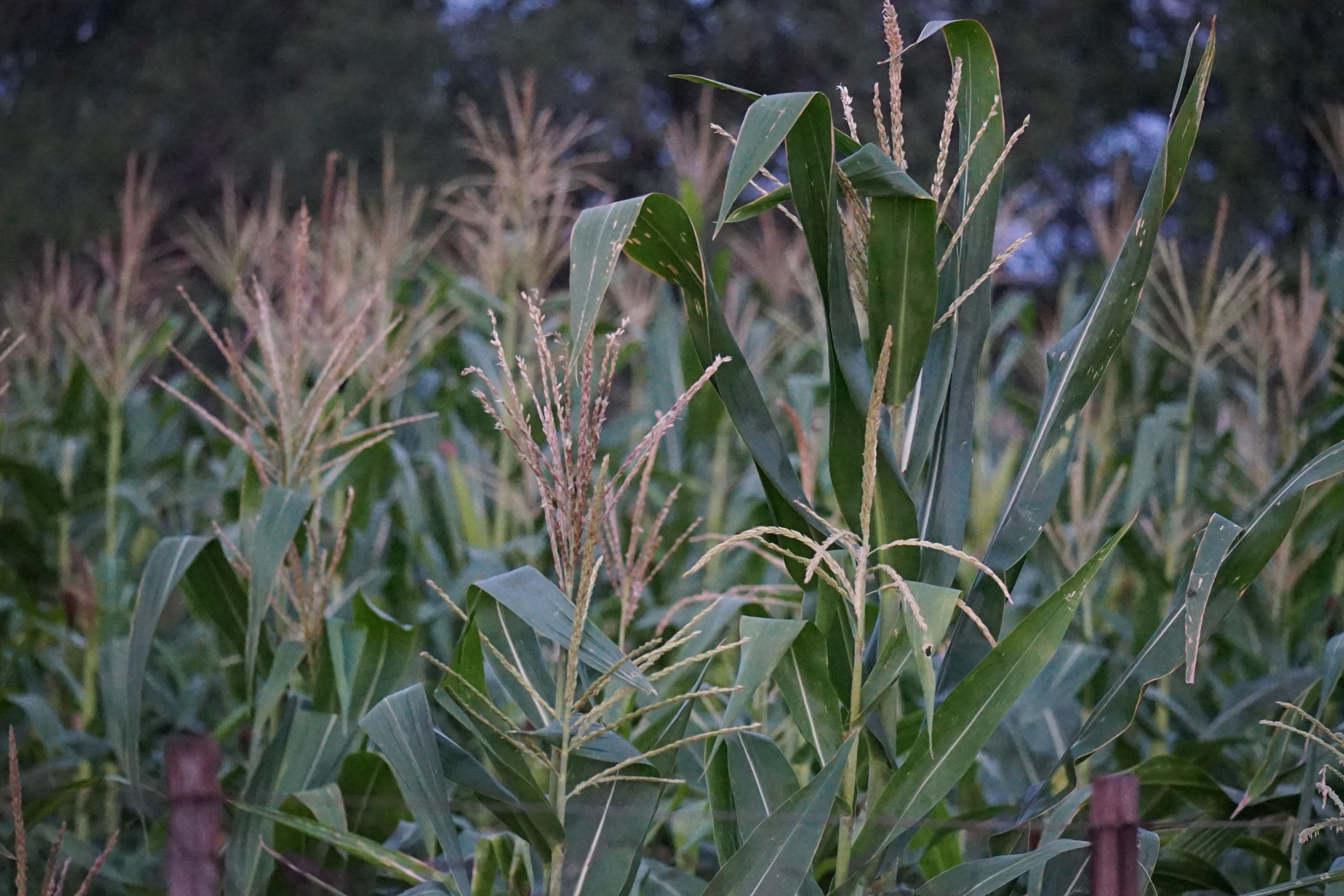
Maize and banana plants
Maize and banana plants
To ensure continuity beyond the visit, the academics established a WhatsApp group with more than 50 active members, which has since become an active space for ongoing exchange, questions and feedback.
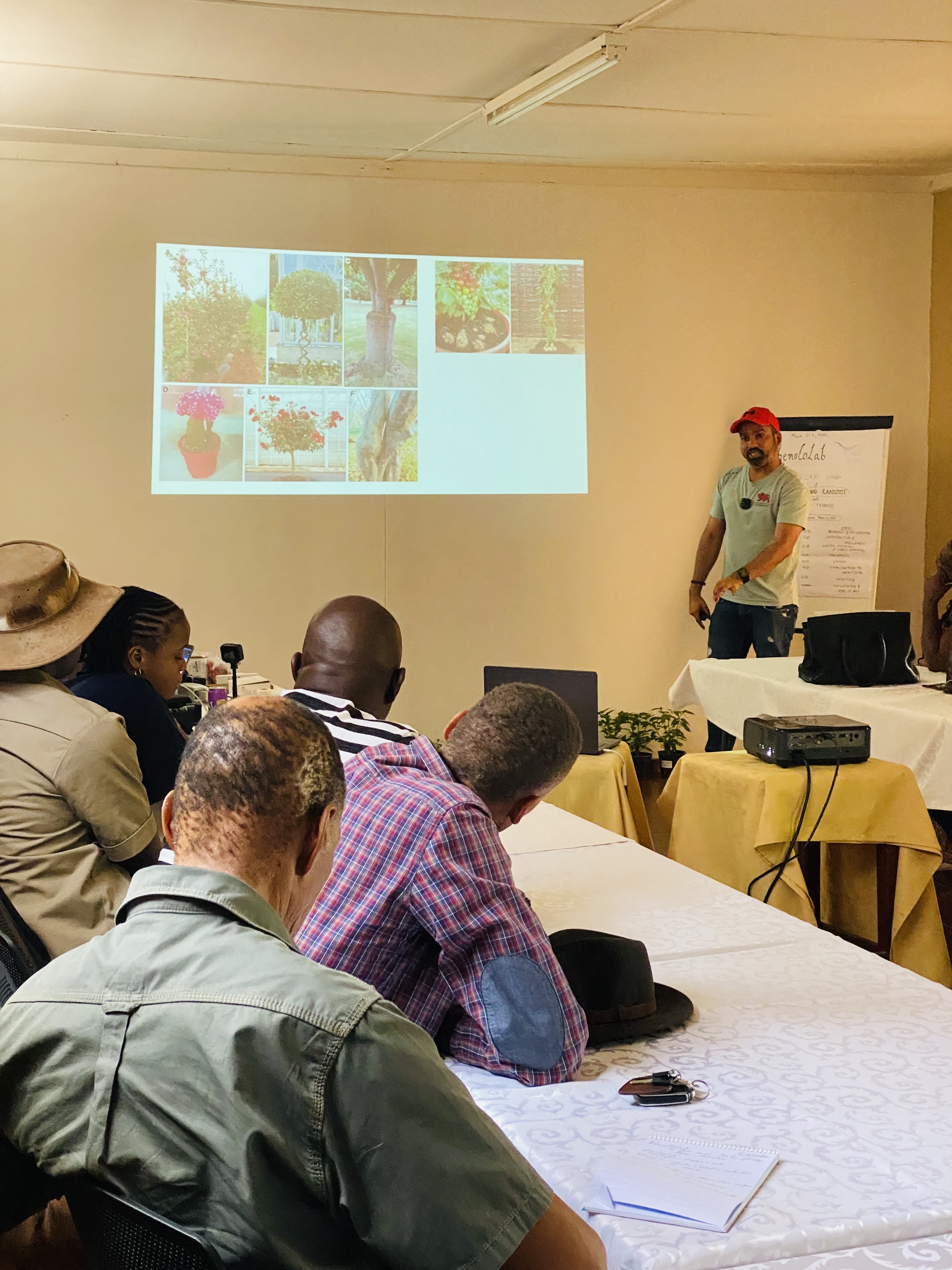
Anoop leading workshop
Anoop leading workshop
A central component of the workshop was a session Anoop led on plant grafting, where he explained both dicot and monocot grafting principles and their relevance to improving crop resilience.
This was followed by a practical demonstration using tomato and pepper plants, allowing farmers to engage directly with the techniques.
He says: “The hands-on nature of the session proved particularly valuable, bridging scientific concepts with tangible skills.”
Importantly, this work also lays the groundwork for future field trials, where crops developed under controlled laboratory conditions can be tested in real farming environments.

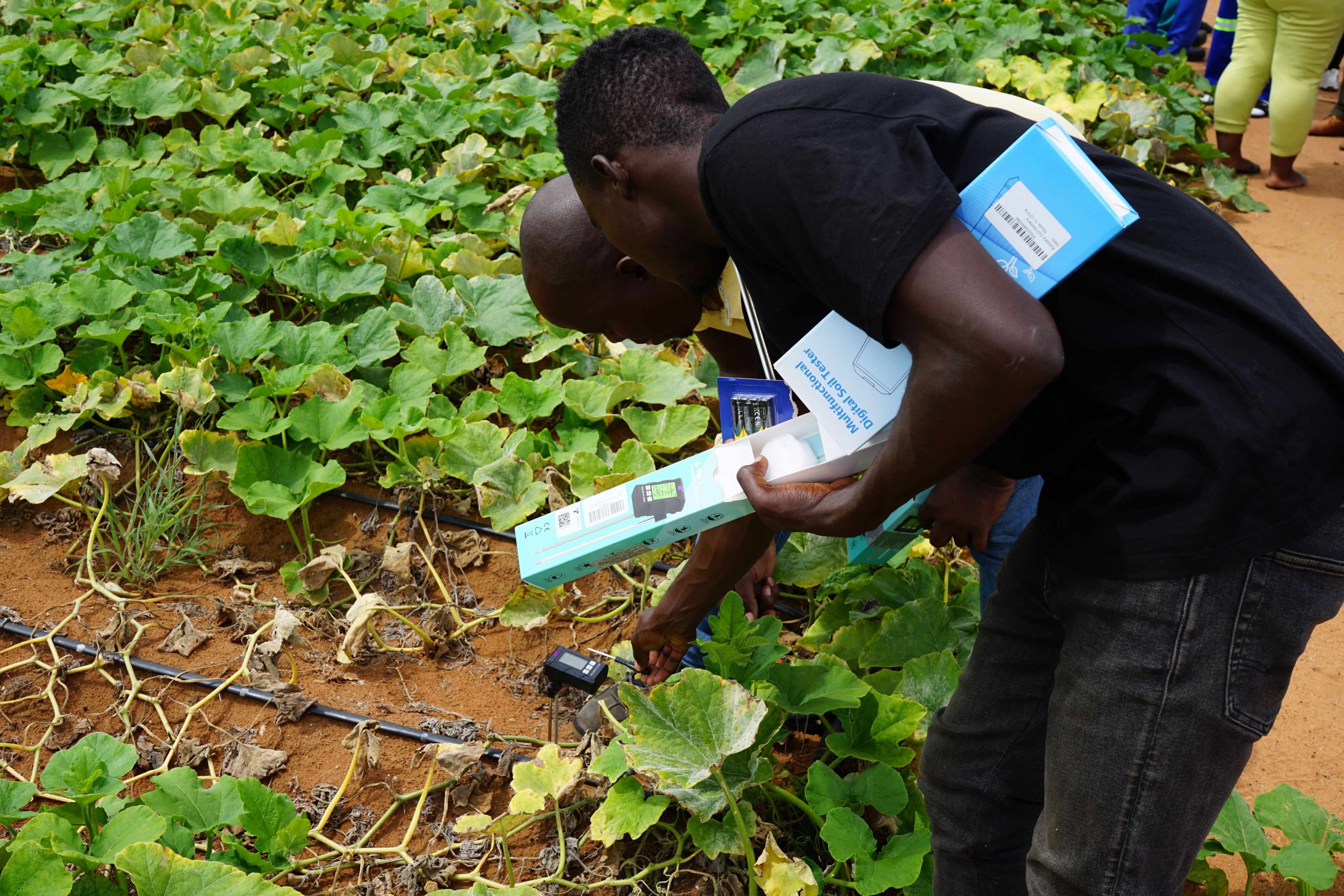
Farmers testing soil sensors
Farmers testing soil sensors
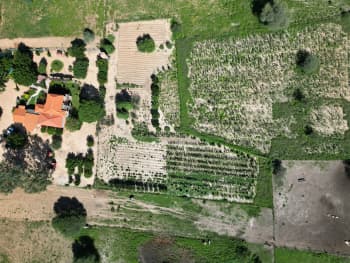
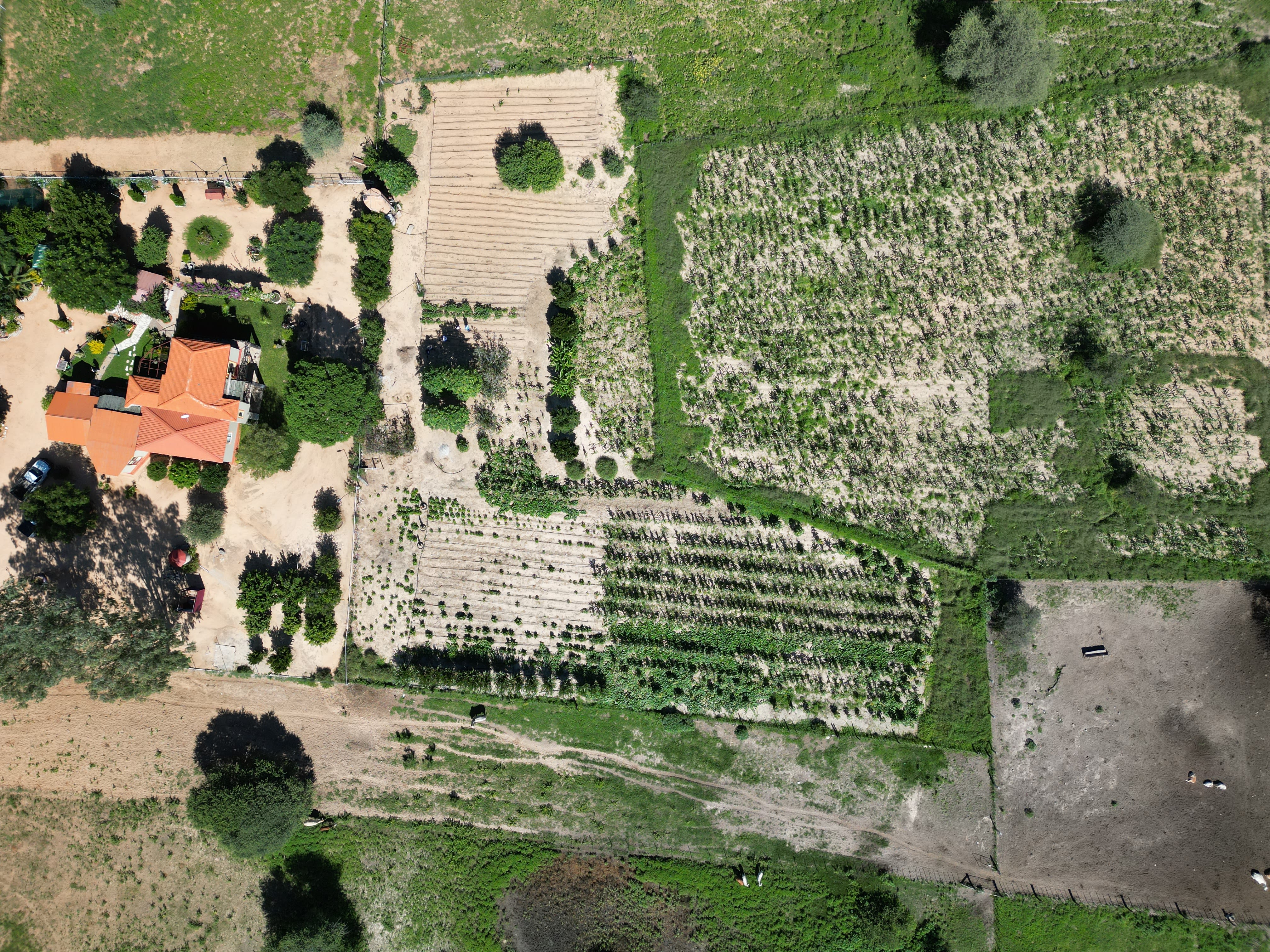
The visit also introduced farmers to aspects of precision agriculture, including drone-based multispectral imaging and hand-held thermal imaging.

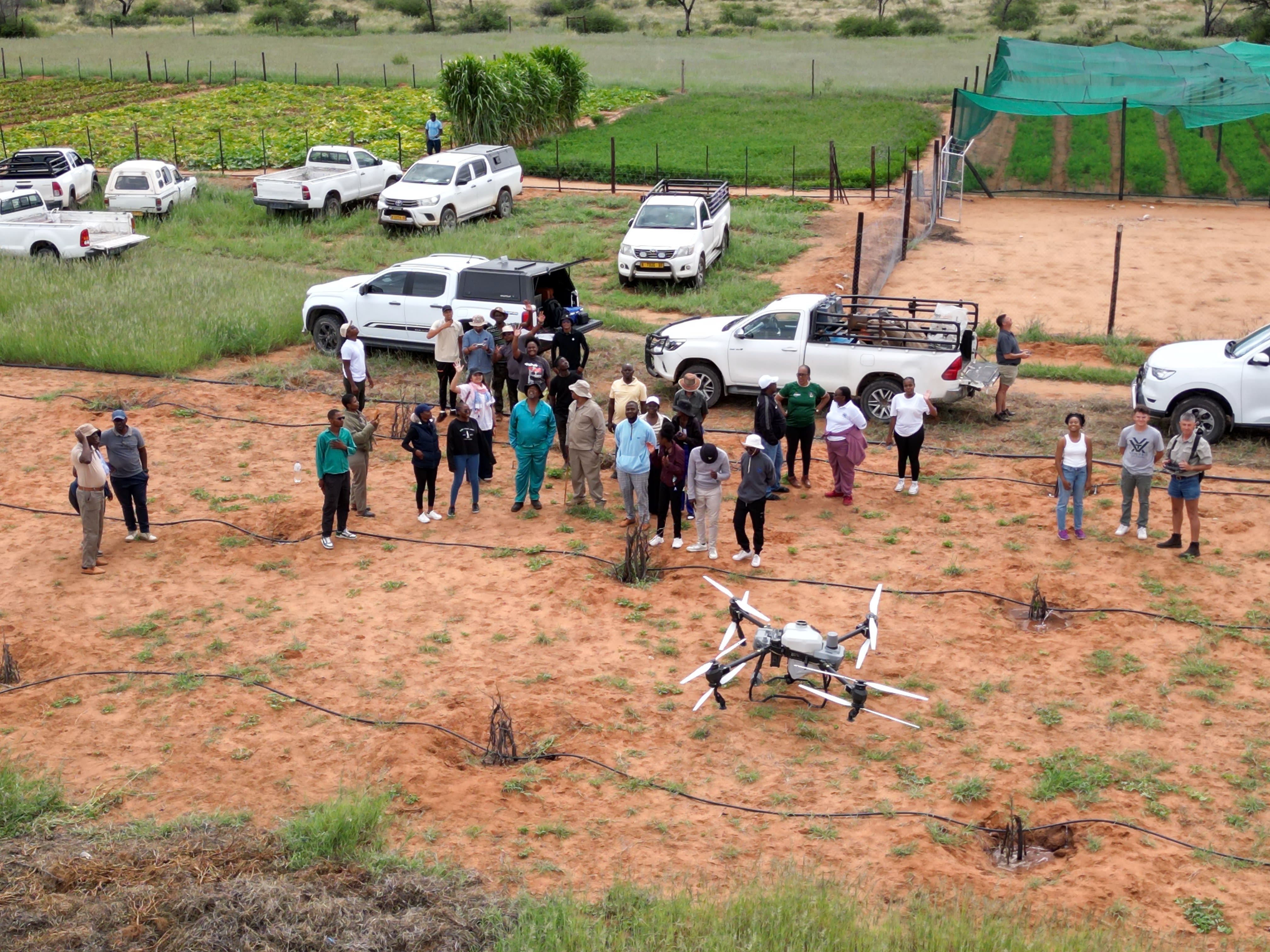
Farmers with drone
Farmers with drone
Rather than focusing solely on the novelty of these technologies, the emphasis was on how such data could support better decision-making in irrigation and crop management, particularly in water-limited contexts.

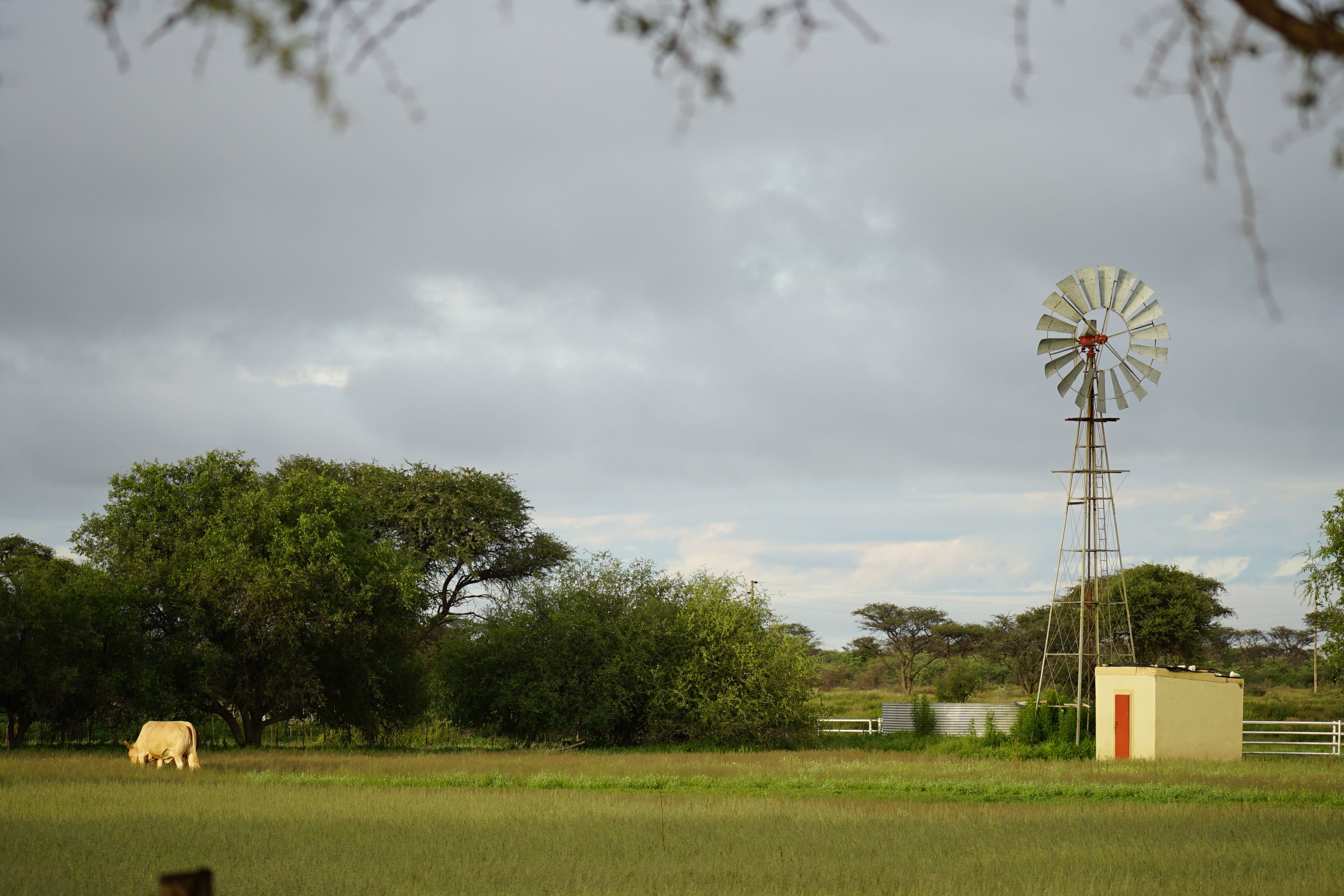


Namibia offers a uniquely valuable setting for this kind of work. Its arid and semi-arid conditions present significant challenges for agriculture, making it an ideal testing ground for resilient, resource-efficient technologies.
If innovations can prove effective under these conditions, they are more likely to be scalable to other regions facing similar climatic stresses. For this reason, the researchers say, establishing field trials here is not only scientifically relevant, but strategically important for broader global application.
Beyond the fieldwork, the visit also included a meeting with the Governor of the Omaheke Region, Pijoo Nganate, where he spoke about his vision for advancing smart agriculture in the region. Anoop says:
“The conversation highlighted strong alignment between regional priorities and our research goals, opening potential avenues for future collaboration that could integrate academic research with policy and regional development initiatives as well as broader national-level engagement, including initiatives linked to the President’s agricultural digital farm programme.”
Perhaps the most significant outcome of the visit, however, was not technological but relational. Building trust with farmers emerged as a foundational step in enabling any meaningful adoption of new tools or practices. The ongoing communication through WhatsApp reflects this growing relationship, and plans are already in place to revisit the region to better understand farmers’ interest in experimenting with new technologies. Anoop says: “This iterative engagement is essential, particularly as we move toward testing ‘lab-to field technological innovations’.”
He adds: “This visit marks the beginning of a longer-term collaboration, one that goes beyond knowledge transfer towards a citizen science initiative and co-development with local stakeholders. It reflects a broader commitment to ensuring that research is not only scientifically rigorous but also socially grounded, responsive and impactful.
“For Gates Cambridge, it exemplifies the value of connecting academic inquiry with real-world challenges, where innovation is shaped as much by people and context as by science itself.”